Discover the 6 Symptoms That Might Alert You About Your Water Heater's Impending Breakdown
Contact Us TodayDo you find yourself hunting for details on Telltale Signs That It’s Time for a New Hot Water Heater?
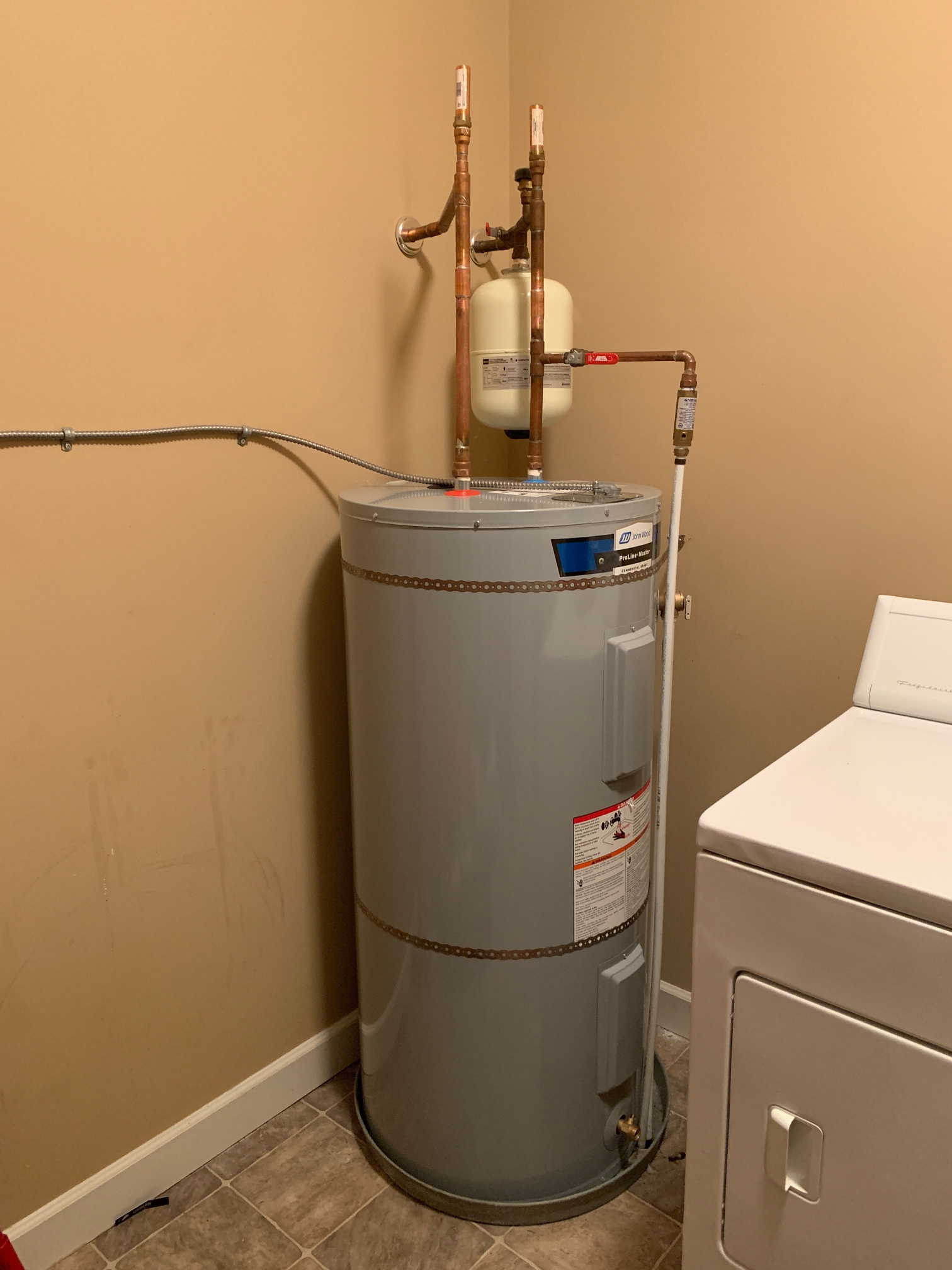
Often, the lag in your heating unit is simply an outcome of bathing way too much or doing loads of laundry. However, there are circumstances when your devices requires dealing with so you can proceed appreciating hot water. Don't await busted hot water heater to offer you a huge headache at the optimal of winter months.
Rather, learn the indication that indicate your hot water heater gets on its last leg before it entirely conks out. When you observe these 6 red flags, call your plumber to do repair services before your equipment completely stops working and also leakages everywhere.
Hearing Unusual Appears
When uncommon sounds like tapping and knocking on your equipment, this shows debris accumulation. It belongs to stratified rocks, which are tough and make a lot of noise when banging against steel. If left neglected, these pieces can produce tears on the metal, causing leaks.
You can still save your water heating system by draining it as well as cleaning it. Simply beware because dealing with this threatens, whether it is a gas or electrical device. Use safety glasses, gloves, and safety apparel. Most of all, ensure you recognize what you're doing. Otherwise, it is better to call a specialist.
Making Insufficient Warm Water
If there is inadequate hot water for you and also your family, yet you haven't changed your consumption practices, then that's the sign that your hot water heater is stopping working. Usually, expanding family members and also an additional restroom suggest that you need to scale as much as a bigger unit to satisfy your demands.
When everything is the exact same, but your water heating system all of a sudden doesn't fulfill your hot water requirements, take into consideration a specialist assessment since your device is not doing to requirement.
Experiencing Fluctuations in Temperature Level
Your water heating system has a thermostat, and the water created must remain around that same temperature level you set for the system. If your water comes to be too hot or also cool all of an abrupt, it can suggest that your water heater thermostat is no longer doing its task.
Seeing Pools and also leakages
When you see a water leakage, check to pipelines, screws, as well as adapters. You might just need to tighten up some of them. Nonetheless, if you see pools gathered at the end of the home heating device, you must call for an instant evaluation due to the fact that it reveals you've got an energetic leakage that could be an issue with your storage tank itself or the pipelines.
Discovering Gloomy or Odiferous Water
Does your water instantly have an odor like rotten eggs as well as look dirty? If you scent something odd, your water heater could be breaking down. Your water should be fresh and also clean scenting as in the past. If not, you can have rust accumulation and germs contamination. It means the integrated anode pole in your device is no more doing its job, so you require it changed stat.
Aging Beyond Requirement Life-span
You need to take into consideration changing it if your water heating system is even more than ten years old. That's the all-natural life-span of this maker! With correct upkeep, you can prolong it for a few even more years. In contrast, without a regular tune-up, the lifespan can be much shorter. You might take into consideration hot water heater replacement if you know your water heater is old, paired with the other issues mentioned over.
Don't wait for busted water heaters to provide you a big migraine at the optimal of winter season.
Your water heating system has a thermostat, and also the water produced must remain around that very same temperature you establish for the device. If your water comes to be too cold or too hot all of a sudden, it could imply that your water heating unit thermostat is no longer doing its job. If your water heater is even more than 10 years old, you should think about replacing it. You may take into consideration water heating unit substitute if you recognize your water heater is old, paired with the other issues pointed out above.
Recognizing the Signs of a Damaged Water Heater
Winter may be mostly behind us but having hot water in our homes is a necessity year-round. A broken water heater can be a time-consuming and costly problem.
Recognizing the signs of a water heater in distress, and knowing what to do about it, is the best way to avoid a full-blown water heater "meltdown."
Sediment buildup, rust, and high water pressure are some of the most common causes of water heater failure. Improper installation or equipment sizing are other commonly found issues. A leak can occur near the supply line which can cause damage to dry wall or flooring.
Like any appliance, frequent checks can prevent your water heater from becoming a big problem. Try to set an annual reminder to check for water pooling around your water heater and to tighten any loose fittings you might find. The quicker the issue is resolved, the less damage it will cause in the end.
If you do find signs that your water heater is broken or about to burst, the first thing to do is to shut it off. For gas water heaters, twist the dial at the top of the thermostat from ON to OFF. If it’s an electric heater, switch the circuit breaker to OFF.
Once the water heater is turned off follow these steps:
Turn off the water supply. Completely drain the water heater. Open the pressure relief valve. Rinse the water heater with cold water when the unit has finished draining. https://armstrongcomfort.com/Blog/things-that-can-cause-your-water-heater-to-break
/construction-fixing-a-hot-water-heater-163520892-580fc38d5f9b58564c2d0bd5.jpg)
We hope you enjoyed reading our topic on Early Signs of Water Heater Failure. Thanks a lot for spending some time to browse our post. Sharing is caring. Who knows, you may just be helping someone out. Thanks a lot for your time. Don't forget to come visit our site back soon.
Avoid further plumbing damage; call.